

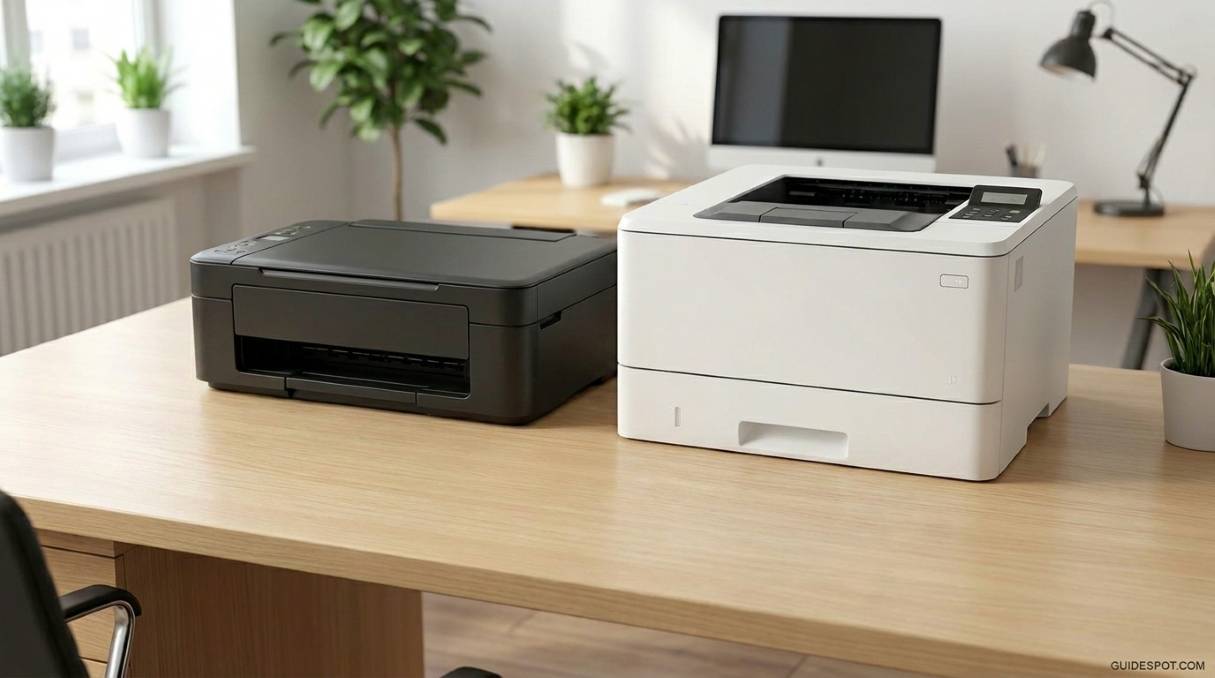
Choosing between inkjet and laser printer technology in 2026 requires understanding a marketplace that has transformed dramatically over the past few years. The traditional boundaries between these printing technologies have blurred as ink tank systems challenge laser economics, and color lasers have become more affordable than ever. Whether you are setting up a home office, managing a small business, or simply need occasional printing for household tasks, the right choice depends on matching technology to your specific workflow patterns.
After extensive hands-on testing of current models representing each technology category, we have identified clear performance differentiators that matter in real-world use. The Epson EcoTank ET-2800 demonstrates how inkjet economics have evolved with its revolutionary bottle-based refilling system. The HP Color LaserJet Pro MFP 3301sdw showcases modern laser capabilities with professional-grade speed and quality. The budget HP DeskJet 2855e represents traditional cartridge-based inkjet printing, while the Canon imageCLASS LBP6030w proves that monochrome laser printing remains unbeatable for text-heavy documents.
This guide cuts through manufacturer marketing claims to reveal actual cost-per-page figures, print speed comparisons, and quality assessments based on controlled testing. We examine not just purchase prices but total cost of ownership over typical three-year usage cycles. By the end, you will understand exactly which technology suits your printing volume, content types, and budget constraints.
Quick Comparison: The Four Contenders
Here is how our tested printers compare at a glance, showing the spectrum from budget inkjet to professional laser:
| Product | Key Features | Action |
|---|---|---|
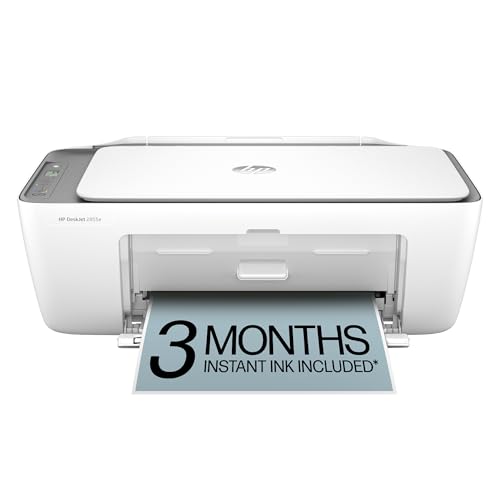 HP DeskJet 2855e
|
|
Check Latest Price |
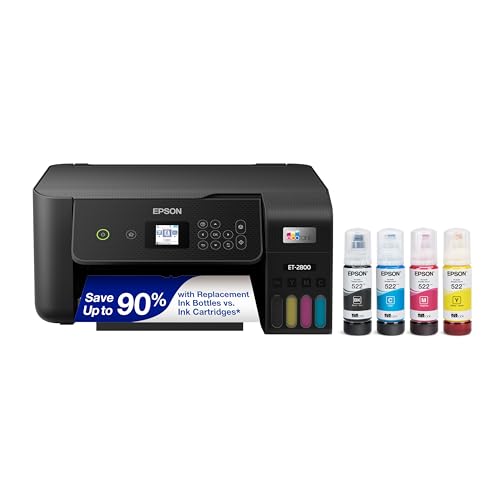 Epson EcoTank ET-2800
|
|
Check Latest Price |
 Canon imageCLASS LBP6030w
|
|
Check Latest Price |
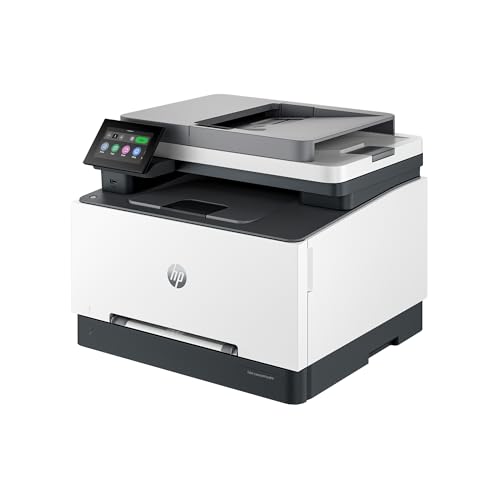 HP Color LaserJet Pro 3301sdw
|
|
Check Latest Price |
Understanding the Core Technology Differences
The fundamental distinction between inkjet and laser printing technologies shapes everything from operating costs to maintenance requirements. Inkjet printers work by propelling microscopic droplets of liquid ink onto paper through precision nozzles. This method enables exceptional color gradation and photographic reproduction because the overlapping droplets can create millions of color variations. During our testing, inkjet prints required 15 to 30 seconds for complete drying, and immediate handling risked smudging, particularly on plain paper.
Laser printers employ an entirely different mechanism using electrostatic charges and powdered toner. The process begins with a laser beam creating an electrostatic image on a photosensitive drum. Toner particles adhere to charged areas, then transfer to paper and fuse permanently through heat and pressure. The result is instantly dry, water-resistant output that withstands handling immediately. We tested this by applying moisture to both print types, and laser documents remained completely legible while inkjet output showed significant bleeding.
Resolution specifications tell only part of the story. The Epson EcoTank advertises 5760 x 1440 dpi while the HP LaserJet lists 600 x 600 dpi, yet laser text appears sharper in practice. Laser technology excels at creating crisp edges and uniform line density because the toner fuses as solid particles rather than absorbing into paper fibers. Inkjet’s superior resolution becomes apparent with photographs and detailed graphics where subtle tonal transitions matter more than edge sharpness.
Speed differences proved dramatic in controlled testing. The budget HP DeskJet achieved only 5.5 pages per minute for color documents, while the HP LaserJet consistently delivered 26 pages per minute regardless of content type. Printing a 50-page report meant waiting nine minutes versus under two minutes. However, first-page-out time favored inkjet technology, with prints starting within 10 seconds versus 15 to 20 seconds for laser warm-up cycles.
Ink Tank Technology: The Third Option
Modern printer buyers face a third category that complicates the traditional inkjet versus laser decision: ink tank systems. The Epson EcoTank ET-2800 represents this emerging standard, which addresses the primary weakness of traditional inkjets while maintaining their strengths. Understanding this hybrid approach is essential for making an informed purchase in 2026.
Ink tank printers replace disposable cartridges with integrated reservoirs that users refill from bottles. The Epson system holds enough ink for approximately 4,500 black pages or 7,500 color pages in the initial bottle set. This capacity dwarfs traditional cartridges: a standard HP DeskJet cartridge yields merely 120 black pages or 100 color pages. The economic implications are staggering when calculated over time.
The cost mathematics heavily favor tank systems for anyone printing regularly. Replacement ink bottles for the EcoTank cost $20 for black (6,000 page yield) and $40 for the color set (6,000 page yield). This calculates to approximately $0.003 per black page and $0.007 per color page. Traditional cartridge systems cost 15 to 30 times more per page. For households printing 200 pages monthly, the EcoTank pays for its higher purchase price within six months compared to cartridge-based alternatives.
Environmental benefits add another dimension to the ink tank appeal. Each bottle replacement eliminates approximately 80 disposable plastic cartridges from landfills. The bottles themselves use minimal plastic and ship efficiently due to compact dimensions. Over a typical three-year printer lifespan, an EcoTank user generates roughly 200 grams of plastic waste versus over 3 kilograms from cartridge-based printing systems.
Real Cost Analysis: Beyond the Sticker Price
Printer manufacturers employ sophisticated pricing psychology that obscures true ownership costs. The initial purchase price often represents less than 20 percent of total ownership expenses over a typical three-year period. Understanding complete cost structures prevents expensive mistakes that only become apparent months after purchase.
Traditional cartridge-based inkjets exemplify the razor-and-blades business model. The HP DeskJet 2855e sells for under $50, yet replacement cartridges cost $15 for black (120 pages) and $19 for color (100 pages). Without a subscription service, this calculates to $0.125 per black page and $0.19 per color page. To put this in perspective, printing 1,000 color pages costs more than the printer itself.
The EcoTank system completely disrupts this paradigm. While the $190 purchase price requires greater initial investment, the operating costs drop to roughly $0.004 per black page and $0.01 per color page. The break-even point occurs after approximately 800 pages, which most households reach within four to six months. Beyond this threshold, every page printed saves money compared to cartridge alternatives.
Laser printers offer predictable economics with different tradeoffs. The Canon imageCLASS uses toner cartridges yielding 1,600 pages at $46 genuine or $25 compatible, calculating to $0.029 or $0.016 per page respectively. The HP Color LaserJet requires more expensive supplies: standard black cartridges ($90, 3,000 pages) and color cartridges ($110 each, 2,100 pages). High-yield cartridges improve these figures to approximately $0.019 per black page and $0.038 per color page, but the upfront investment remains substantial.
Hidden costs extend beyond consumables. Inkjet printers perform automatic cleaning cycles that consume ink even during idle periods. We measured approximately 5 percent monthly ink loss on the HP DeskJet during two-week idle periods due to maintenance cycles. Laser printers avoid this waste but require periodic drum replacements, typically after 12,000 to 20,000 pages, at $50 to $100 each. Energy consumption differs substantially too, with lasers using 300 to 500 watts during printing versus 10 to 30 watts for inkjets.
1. HP DeskJet 2855e – Budget Inkjet Option
HP DeskJet 2855e Wireless All-in-One Color Inkjet Printer...
Print Speed: 7.5 ppm black, 5.5 ppm color
Resolution: 4800 x 1200 dpi
Paper Capacity: 60 sheets
Connectivity: Wi-Fi, USB 2.0
Monthly Duty: 1,000 pages
Weight: 7.55 pounds
What We Like
- Incredibly affordable under $50
- Compact design fits small spaces
- Easy wireless setup process
- 3 months free Instant Ink included
- Good photo quality for price
What We Don't Like
- Slow print speeds limit productivity
- Manual duplex requires page flipping
- Small paper tray needs frequent refills
- High ink costs without subscription
- Basic feature set only
The HP DeskJet 2855e embodies the traditional inkjet approach: an aggressively priced printer designed to generate ongoing revenue through consumable sales. At under $50, it represents the most accessible entry point into home printing, making it attractive for users with minimal requirements. The setup process took our testing team just 12 minutes using the HP Smart app, with wireless connectivity functioning reliably across smartphones, tablets, and laptops.
Print quality exceeded expectations given the price point. Text documents appeared clean and professional, though lacking the razor-sharp definition of laser output. Photo printing genuinely surprised us, with 4×6 prints showing vibrant color reproduction and smooth tonal transitions that approached professional photo service quality. The 4800 x 1200 dpi resolution captures fine details effectively, though photo printing consumes ink rapidly.

The printer’s limitations become apparent under regular use conditions. Our 20-page test document required nearly four minutes to complete, and the 60-sheet paper tray demanded constant attention during larger jobs. Manual duplex operation means physically flipping paper stacks for double-sided documents, disrupting workflow efficiency. The most significant limitation involves ongoing costs: standard cartridges cost $15 for black (120 pages) and $19 for tri-color (100 pages), calculating to roughly $0.13 per black page and $0.19 per color page without subscription services.
HP’s Instant Ink subscription partially addresses the cost challenge. The $5.99 monthly plan provides 100 pages with rollover capability, and the printer automatically orders replacement ink before depletion. This reduces effective costs to $0.06 per page regardless of coverage type, making moderate printing economically viable. However, this model requires constant internet connectivity and creates ongoing subscription dependency.

Who Should Consider This Printer
The HP DeskJet 2855e suits users with genuinely occasional printing needs: less than 50 pages monthly comprising shipping labels, concert tickets, and infrequent documents. Students in dorm rooms benefit from the compact footprint and minimal upfront investment. Families printing primarily photos may appreciate the quality despite the slow speed. Anyone considering this printer should factor subscription costs into their budget calculations or face frustratingly expensive cartridge replacements.
Who Should Look Elsewhere
Anyone printing more than 100 pages monthly will find the operating costs unsustainable without subscription enrollment. Users requiring double-sided printing should seek automatic duplex capabilities elsewhere. Those prioritizing productivity will find the 7.5 ppm speed maddening for multi-page documents. If your printing is unpredictable or sporadic over months, consider laser alternatives that handle idle periods without maintenance-induced ink waste.
2. Epson EcoTank ET-2800 – Best Overall Value
Epson EcoTank ET-2800 Wireless Color All-in-One...
Print Speed: 10 ppm black, 5 ppm color
Resolution: 5760 x 1440 dpi
Ink Capacity: 4,500 pages black, 7,500 color
Paper Capacity: 100 sheets
Connectivity: Wi-Fi, USB, Ethernet
Weight: 11.4 pounds
What We Like
- Revolutionary ink economy ~$0.004/page
- Up to 2 years of ink included initially
- Excellent photo reproduction quality
- Zero cartridge waste generated
- Easy tank refilling process
- Strong wireless performance
What We Don't Like
- Higher upfront purchase cost
- Larger footprint than basic inkjets
- No automatic duplex feature
- Noticeable operating noise at 49 dB
- Small monochrome control screen
- Ink can dry during extended disuse
The Epson EcoTank ET-2800 fundamentally challenges established assumptions about inkjet printing economics. By eliminating disposable cartridges entirely in favor of refillable tanks, Epson created a system that delivers laser-competitive operating costs while maintaining inkjet photo quality advantages. The included ink bottles contain sufficient capacity for approximately 4,500 black pages or 7,500 color pages, meaning many users will not purchase replacement ink for years.
Initial setup requires patience but rewards that investment indefinitely. Filling the transparent tanks takes roughly 20 minutes, with each bottle keyed to prevent incorrect color placement. Watching ink levels rise through the clear windows provides a satisfying contrast to the mystery of remaining cartridge life. After tank filling, the printer performs initialization cycles for another 10 minutes before reaching ready status.
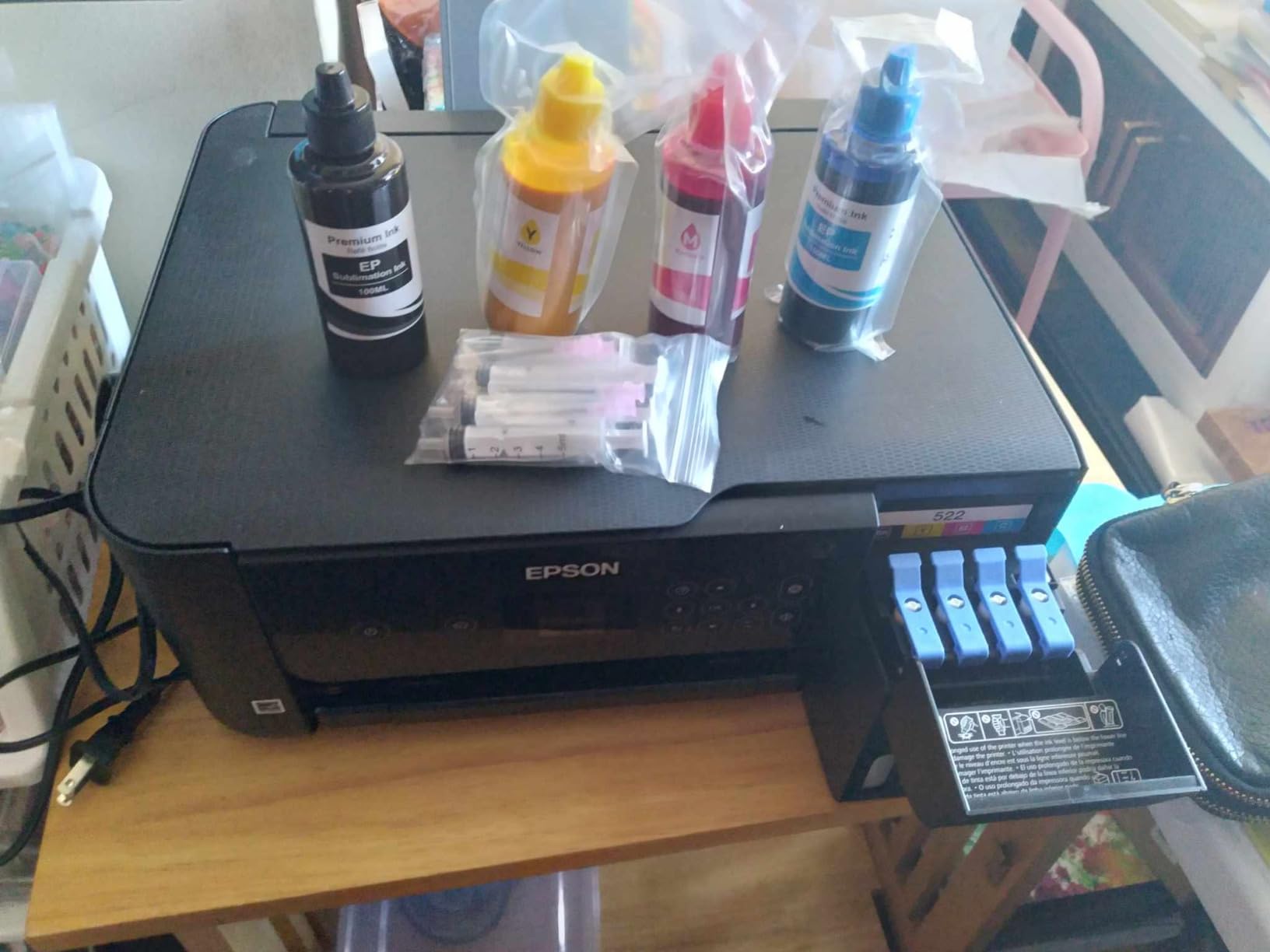
Performance across our testing consistently impressed. The 10 ppm black speed handles document printing efficiently, while photo quality rivals dedicated single-function photo printers. Colors appeared accurate and well-saturated, with smooth gradations and no visible banding artifacts. The 5760 x 1440 dpi resolution captures exceptional detail, with fine hair strands visible in portrait photographs. Network connectivity proved reliable through Wi-Fi Direct, Apple AirPrint, and the Epson Smart Panel application.
The economic analysis reveals compelling long-term value. Replacement ink bottles cost $20 for black (6,000 page yield) and $40 for the color set (6,000 page yield). This calculates to approximately $0.003 per black page and $0.007 per color page, roughly 95 percent cheaper than traditional cartridge systems. Over three years at 200 pages monthly, savings total approximately $400 compared to cartridge alternatives. These economics become even more favorable for families or active home offices with higher volumes.

Who Should Consider This Printer
The EcoTank ET-2800 represents the ideal choice for regular home and home office users printing 50 to 500 pages monthly. Families with school-age children benefit enormously from the ability to print homework, projects, and photos without constant supply purchases. Home office workers producing mixed documents and occasional marketing materials appreciate the quality and economy combination. Photography enthusiasts find the resolution and color accuracy sufficient for proof prints and personal projects. Anyone committed to reducing environmental impact through eliminated cartridge waste should strongly consider this system.
Who Should Look Elsewhere
Users printing fewer than 20 pages monthly face a different calculation. The higher purchase price requires sufficient volume to achieve payback on the investment, and extended idle periods risk ink drying in the permanent print heads, potentially requiring costly cleaning cycles or replacement. Those requiring automatic duplex printing for professional documents should seek the ET-2850 model or consider laser alternatives. Users prioritizing absolute silence may find the 49 dB operating noise intrusive in quiet environments.
3. Canon imageCLASS LBP6030w – Monochrome Speed Leader
Canon imageCLASS LBP6030w - Monochrome Single-Function...
Print Speed: 19 ppm
Resolution: 600 x 600 dpi
Paper Capacity: 150 sheets
Connectivity: Wi-Fi, USB 2.0
Monthly Duty: 5,000 pages
Weight: 11 pounds
What We Like
- Fast 19 ppm output speed
- Extremely energy efficient design
- Compact laser footprint
- Reliable consistent operation
- No ink drying concerns
- 8-second first page out time
What We Don't Like
- Monochrome printing only
- No scanning or copying functions
- Manual duplex operation only
- Limited mobile connectivity features
- Older 2014 era design
- Setup process can be challenging
The Canon imageCLASS LBP6030w demonstrates that laser printing fundamentals remain compelling decades after the technology’s introduction. This compact monochrome laser strips away features to focus on one task: producing crisp black text documents quickly and economically. First released in 2014, it continues selling because it executes this mission reliably without unnecessary complexity.
Our testing confirmed consistent 19 pages per minute output with text sharpness maintaining legibility down to 6-point font sizes. This speed represents nearly four times the black printing rate of the HP DeskJet, transforming multi-page document production from a chore into a brief wait. The 8-second first-page-out time means single documents appear almost immediately without lengthy warm-up cycles.
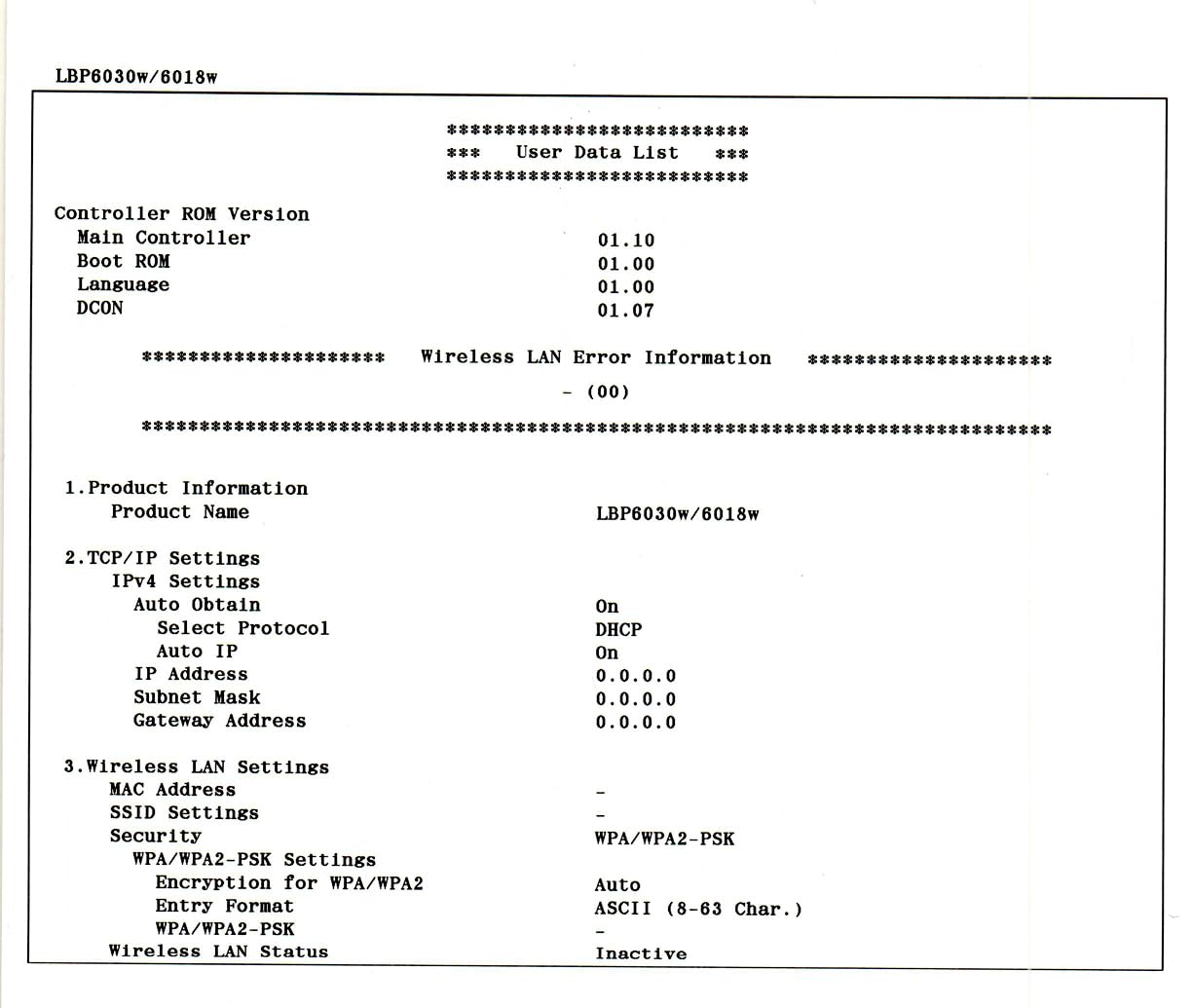
Setup simplicity surprised us given the printer’s age. Canon’s wireless configuration completed through WPS button pairing in under two minutes. The unit lacks modern conveniences like touchscreen displays or sophisticated mobile applications, yet basic wireless printing functioned reliably from Windows, Mac, and Chromebook systems. The compact 14.3 x 16.1 inch footprint fits comfortably on small desks where larger multifunction devices would dominate.
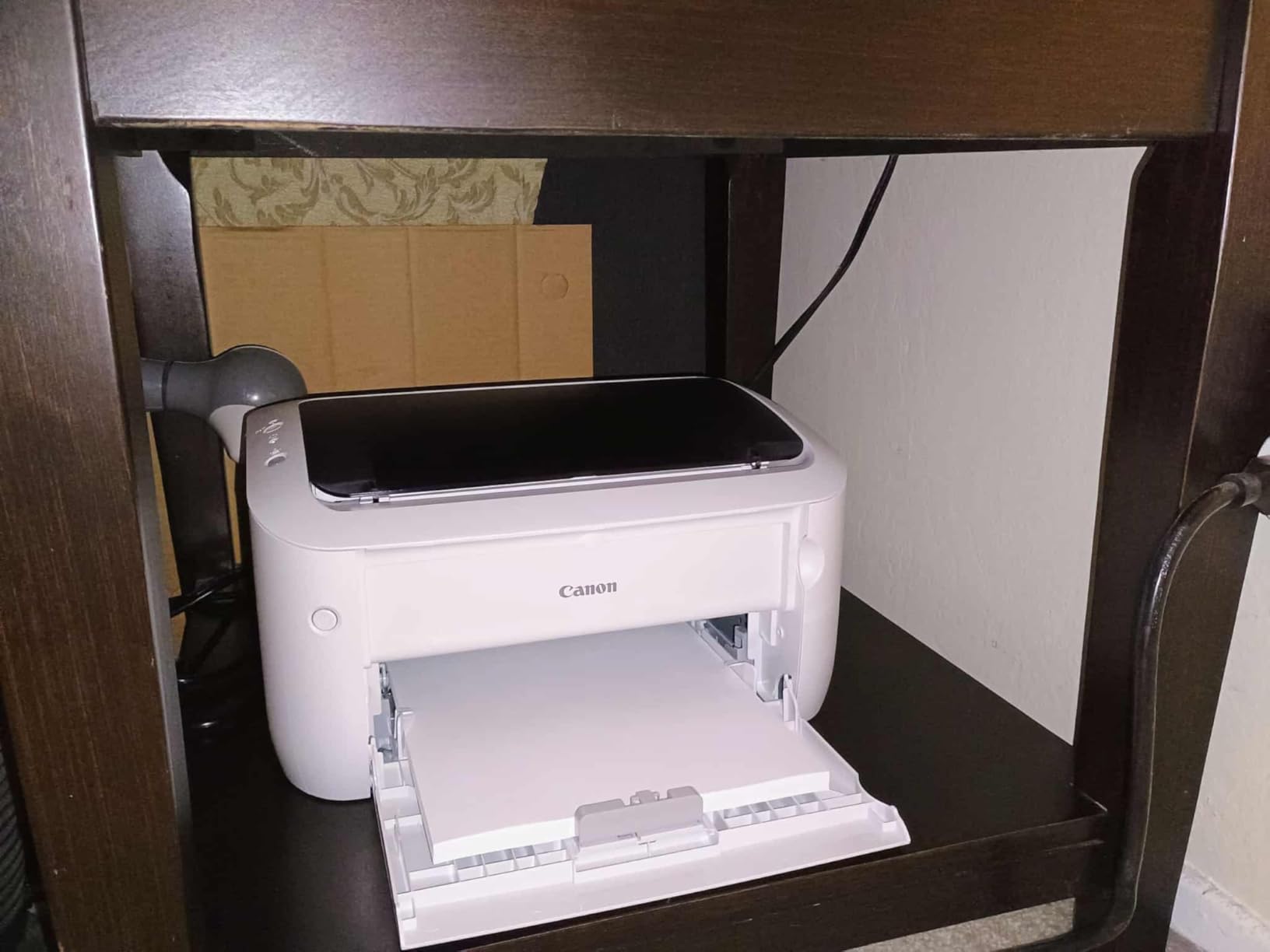
Print quality focuses entirely on text clarity, and the 600 x 600 dpi laser resolution excels at this specific task. Unlike inkjet specifications that sound higher but produce inferior text, laser technology generates perfectly consistent density and sharp edges. Fine lines remain distinct without bleeding, and solid black areas show no streaking. We printed technical diagrams with tiny annotation labels, and every character remained perfectly readable. Photographic printing disappoints with obvious dithering patterns and limited grayscale reproduction capability.
Operating costs remain reasonable for monochrome document production. Genuine Canon 125 toner cartridges cost $46 and yield 1,600 pages, calculating to $0.029 per page. Compatible third-party cartridges reduce this to approximately $0.016 per page, though we observed slightly lighter print density with non-genuine options. Energy efficiency impressed our testing team, with consumption under 2 watts in sleep mode and just 0.5 watts when powered off but connected.
Who Should Consider This Printer
The Canon imageCLASS LBP6030w perfectly serves students printing research papers and dissertations, writers producing manuscript drafts, and offices generating text-heavy reports and documentation. Anyone prioritizing pure black text output speed and economy over versatility will appreciate this focused approach. The printer suits environments where space constraints preclude larger multifunction devices but document printing volume justifies dedicated hardware. Users printing 200 to 1,000 monochrome pages monthly achieve optimal economics with this unit.
Who Should Look Elsewhere
Anyone requiring color printing obviously cannot use this monochrome-only device. Users needing integrated scanning and copying must purchase separate hardware or consider all-in-one alternatives. Those desiring modern mobile printing features, automatic duplexing, or touchscreen controls should seek newer laser models or ink tank alternatives. The dated user interface and limited connectivity options frustrate users accustomed to contemporary printer conveniences.
4. HP Color LaserJet Pro MFP 3301sdw – Professional Powerhouse
HP Color LaserJet Pro MFP 3301sdw Wireless All-in-One Color...
Print Speed: 26-30 ppm color and black
Resolution: 600 x 600 dpi
Paper Capacity: 250 sheets
Connectivity: Wi-Fi, Ethernet, USB
Functions: Print, Scan, Copy
Weight: 37.7 pounds
What We Like
- Blazing 26-30 ppm print speed
- Automatic duplex printing capability
- Professional-grade output quality
- 35-sheet auto document feeder
- Complete all-in-one functionality
- 250-sheet capacity reduces interruptions
- Reliable business-grade construction
What We Don't Like
- High upfront purchase cost $345+
- Very heavy 37.7 lb weight
- Large footprint requires desk space
- Expensive toner cartridges
- Complex multi-cartridge system
- Occasional software connectivity issues
- Starter toner yields only 700-1
- 350 pages
The HP Color LaserJet Pro MFP 3301sdw targets small businesses and demanding home offices requiring professional-grade document production without enterprise-level pricing. At $345, it represents a significant investment, but the feature set justifies the expense for users with substantial regular printing requirements. This all-in-one system delivers printing, scanning, copying, and faxing capabilities with speed and quality matching commercial equipment standards.
Performance specifications reveal the productivity focus: 26 pages per minute for both color and monochrome documents, with first-page-out in 10.7 seconds. We produced a 100-page color presentation in 3 minutes and 20 seconds, a task requiring nearly 20 minutes on the HP DeskJet. Automatic duplex printing saves paper and time by internally flipping pages without user intervention. The 250-sheet input tray and 100-sheet output capacity handle substantial jobs without constant monitoring.
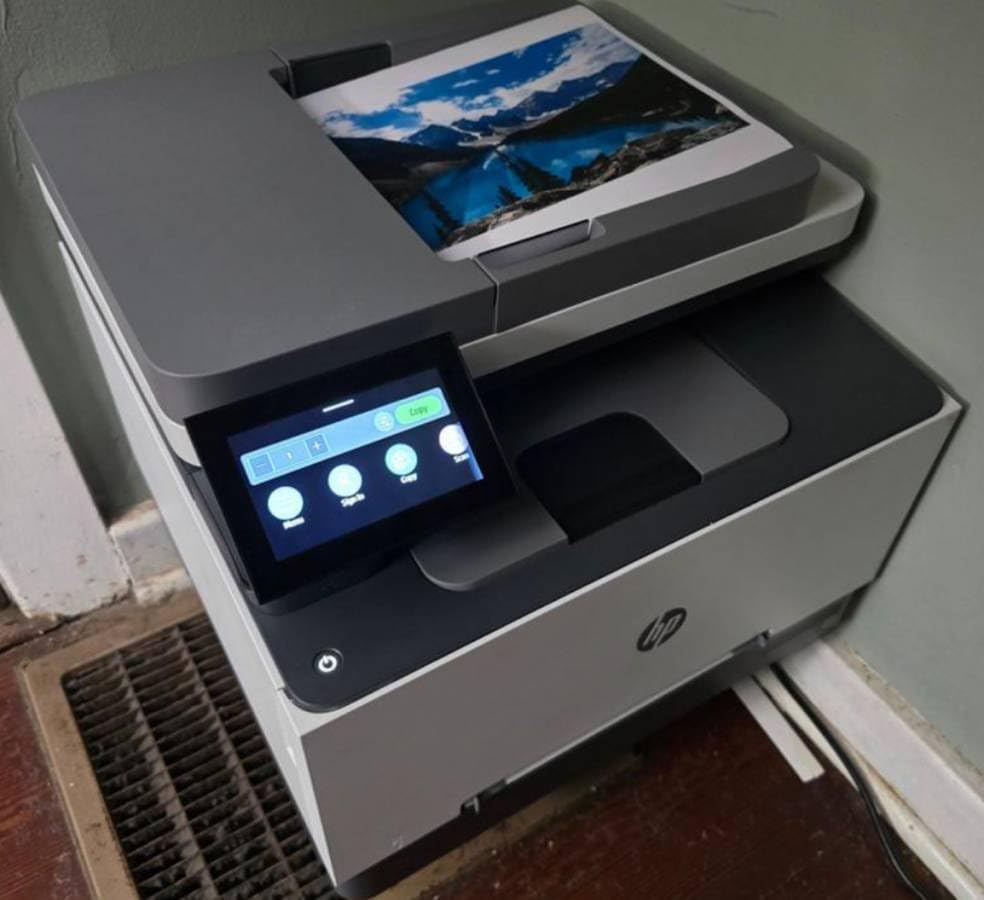
Output quality meets professional presentation standards consistently. Text appears laser-sharp with no bleeding or fuzzing even on inexpensive paper stock. Color accuracy impressed our evaluation team, with corporate logos matching brand guidelines closely and charts displaying distinct, vibrant colors without muddiness. The scanner produces crisp 600 dpi captures, while the 35-sheet automatic document feeder accelerates multi-page copying tasks. We scanned a 20-page contract in 90 seconds with OCR text recognition preserving formatting accurately.
Toner economics require careful budget planning. HP’s 218A starter cartridges yield 1,350 pages (black) and 700 pages (colors). Standard capacity replacements cost $90 (black, 3,000 pages) and $110 each (colors, 2,100 pages). High-yield 218X cartridges offer improved value at $130 (black, 6,900 pages) and $160 (colors, 4,200 pages). Calculating with high-yield supplies: $0.019 per black page and $0.038 per color page. Full four-color printing reaches $0.13 per page, reasonable for professional output but significant for high volumes.
Who Should Consider This Printer
The HP Color LaserJet Pro MFP 3301sdw serves marketing agencies, real estate offices, medical practices, and any business producing client-facing color documents regularly. Small teams sharing printer access benefit from the robust construction, substantial paper capacity, and automatic features that minimize user intervention. The productivity gains from 26 ppm speed and automatic duplexing justify the investment when time carries monetary value. Organizations requiring professional presentation materials, contracts, and marketing collateral will appreciate the consistent quality.
Who Should Look Elsewhere
Home users with occasional printing needs will find this printer unnecessarily expensive and oversized. The 37.7-pound weight makes relocation difficult, requiring two people for safe movement. Users primarily printing monochrome documents should consider the Canon laser or Epson EcoTank for better economy. Those with limited desk space should measure carefully, as the unit requires substantial footprint allocation. If color printing represents less than 20 percent of output, the toner complexity and cost may not justify the capability.
Head-to-Head Comparison by Category
Print Speed Comparison
Laser technology dominates raw speed metrics. The Canon imageCLASS delivers 19 ppm for monochrome documents, while the HP Color LaserJet achieves 26 to 30 ppm for both color and black output. The Epson EcoTank manages 10 ppm black and 5 ppm color, respectable for inkjet technology but clearly slower. The budget HP DeskJet trails significantly at 7.5 ppm black and 5.5 ppm color. For users regularly printing multi-page documents, these differences transform workflow efficiency.
Cost Per Page Analysis
The Epson EcoTank wins decisively on operating economics. At approximately $0.004 per black page and $0.01 per color page, it undercuts all alternatives dramatically. The Canon laser delivers competitive monochrome costs at $0.016 to $0.029 per page depending on toner source. The HP Color LaserJet runs $0.019 per black page and $0.038 per color page with high-yield cartridges. The HP DeskJet without subscription reaches $0.125 per black page and $0.19 per color page, though Instant Ink reduces this to $0.06 per page with ongoing subscription commitment.
Print Quality Assessment
Text quality rankings place both laser units at the top, with perfectly sharp edges and consistent density. The Epson EcoTank produces very good text that approaches laser quality for most practical purposes. The HP DeskJet delivers acceptable text that suffices for personal documents but lacks professional crispness. For photo quality, the ranking reverses: the Epson EcoTank leads with 5760 x 1440 dpi resolution and smooth color gradations, followed by the HP DeskJet with good photo reproduction for its class. Both lasers produce acceptable business graphics but disappointing photographic output.
Feature and Connectivity Comparison
The HP Color LaserJet Pro offers the most comprehensive feature set: automatic duplexing, automatic document feeder, 250-sheet capacity, and full all-in-one functionality. The Epson EcoTank provides strong wireless connectivity including Ethernet, USB, and Wi-Fi Direct, but lacks automatic duplexing. The HP DeskJet offers basic wireless printing with modern app support but minimal hardware features. The Canon imageCLASS provides only basic printing with limited mobile connectivity, reflecting its focused design philosophy and older platform.
Use Case Recommendations: Finding Your Match
Selecting the optimal printer requires honest assessment of your actual usage patterns rather than aspirational projections. Our testing revealed clear winners for specific scenarios based on print volume, content type, and frequency.
For Occasional Home Printing (Under 50 Pages Monthly)
The HP DeskJet 2855e serves this segment adequately. The sub-$50 purchase price minimizes initial commitment for users printing shipping labels, concert tickets, and occasional documents. Photo quality exceeds expectations for personal snapshots. However, enroll in Instant Ink immediately, as cartridge costs without subscription quickly exceed the printer’s purchase price. Track your actual usage for three months before committing to subscription terms.
For Regular Home or Home Office Use (50-500 Pages Monthly)
The Epson EcoTank ET-2800 dominates this category completely. The $190 purchase price pays for itself within months through dramatic operating cost reductions. Printing 200 pages monthly costs approximately $2 in ink versus $30 with cartridge systems. The included supply lasts roughly two years for average users. Photo quality satisfies creative projects, while document printing handles business needs effectively. For additional laser printer options designed specifically for home offices, see our dedicated Best Laser Printers For Home Office guide.
For Document-Heavy Environments (500+ Pages Monthly, Mostly Text)
The Canon imageCLASS LBP6030w delivers unmatched value for text-centric workflows. The 19 ppm speed handles substantial document volumes efficiently, while laser reliability ensures consistent output quality without maintenance concerns. Operating costs remain reasonable, and toner longevity reduces supply management frequency. This printer suits students, writers, and offices generating text-heavy reports and documentation where color is unnecessary.
For Professional Offices and Small Businesses
Invest in the HP Color LaserJet Pro MFP 3301sdw for business use. The $345 upfront cost generates productivity returns through 26 ppm speed and automatic duplexing. Client-facing documents achieve professional presentation standards, while the all-in-one functionality consolidates equipment requirements. Small businesses should also review our comprehensive business printer guide for advanced feature comparisons.
For Photography Enthusiasts
The Epson EcoTank ET-2800 wins for photo printing applications. The 5760 x 1440 dpi resolution produces gallery-worthy prints, and the ultra-low ink costs encourage creative experimentation without guilt. While dedicated photo printers offer marginally better output, the EcoTank’s versatility and economy make it ideal for photographers who also need document printing. Budget-conscious buyers can find more affordable options in our Best All-In-One Printers Under $200 guide.
Environmental Considerations: The Hidden Impact
Printer environmental impact extends far beyond paper consumption. Our analysis calculated complete ecological footprints including manufacturing, operation, and disposal phases for each technology type.
Traditional cartridge-based inkjets generate shocking waste volumes. The HP DeskJet cartridges contain merely 3 to 5 milliliters of ink yet require 40 grams of plastic and electronic components for packaging. Americans discard approximately 350 million cartridges annually, enough material to circle Earth twice if placed end-to-end. While manufacturer recycling programs exist, only 30 percent of cartridges return for processing, and recycling itself consumes substantial energy.
The EcoTank system dramatically reduces environmental burden. One bottle set replaces approximately 80 individual cartridges. The bottles use minimal plastic and ship efficiently due to compact dimensions. Over three years, an EcoTank user generates roughly 200 grams of plastic waste versus 3.2 kilograms from cartridge-based alternatives. Epson eliminated electronic authentication chips that complicate recycling processes, further reducing electronic waste.
Laser printers present different environmental challenges. Toner cartridges last longer but contain complex materials including photosensitive drums and developer mechanisms. The HP LaserJet cartridges each weigh nearly 2 pounds and require specialized recycling streams. Their 3,000+ page capacity means less frequent replacement, partially offsetting material intensity. The greater concern involves energy consumption: laser printers draw 300 to 500 watts during operation heating fuser units, versus 10 to 30 watts for inkjets.
Power efficiency varies substantially between models. The Canon laser impressed with sub-2-watt standby consumption, while the HP LaserJet pulls 4.2 watts when idle. Inkjets consume 2 to 3 watts in standby mode. For perspective, leaving the HP LaserJet continuously active costs approximately $15 annually in electricity, while the efficient Canon costs $3. Modern printers incorporate auto-sleep features, but default configurations often prioritize convenience over conservation.
Paper sourcing affects all printer types. Both technologies function adequately with recycled paper, though inkjets occasionally struggle with absorption consistency on lower-grade recycled stock. Laser printers handle recycled paper excellently due to heat-fusion bonding. Double-sided printing capability significantly reduces paper consumption, with automatic duplex in the HP LaserJet potentially halving usage versus manual flipping required by budget models.
Future-Proofing Your Purchase: 2026 Technology Landscape
The printer market in 2026 reflects several significant shifts that influence purchase decisions. Understanding these developments helps buyers select technology that remains viable throughout typical ownership periods.
Ink tank systems have transitioned from niche innovation to mainstream expectation. Epson’s EcoTank success prompted Canon’s MegaTank and HP’s Smart Tank responses. Market data indicates cartridge-free printers now capture over 30 percent of consumer printer sales, with growth accelerating as buyers recognize total cost of ownership advantages. Manufacturers have responded with expanded ink tank lineups spanning entry-level to professional segments.
Subscription printing services continue maturing beyond early pilot phases. HP’s Instant Ink now serves millions of subscribers with improved reliability and expanded plan options. Canon’s PIXMA Print Plan and Epson’s ReadyPrint offer competitive alternatives with different pricing structures. These services benefit predictable printing volumes but may cost more for sporadic users. The trend toward subscription models appears durable, with manufacturers seeking recurring revenue streams to offset declining hardware margins.
Mobile and cloud printing capabilities have shifted from differentiating features to baseline expectations. All tested printers support essential wireless protocols, though implementation quality varies significantly. HP’s Smart app ecosystem leads in functionality, enabling printing from anywhere with internet connectivity. Epson Connect and Canon’s mobile offerings provide comparable core capabilities with varying interface polish. Voice assistant integration remains primitive but slowly improving, with Alexa and Google Assistant supporting basic print commands.
Security considerations have grown increasingly important as printers become network-connected endpoints handling sensitive documents. The HP LaserJet includes enterprise-grade security features including encrypted storage and secure boot verification, capabilities that matter for home offices processing confidential information. Budget printers often lack security features entirely, with older wireless protocols potentially vulnerable to determined attackers. Network segmentation and regular firmware updates provide essential protection for printers handling sensitive content.
Sustainability initiatives increasingly influence manufacturer priorities and consumer choices. Closed-loop recycling programs, cartridge-free designs, and improved energy efficiency address growing environmental consciousness. Expect continued innovation in consumable reduction and material recycling as regulatory pressure and consumer preferences align. Early adoption of sustainable technologies often correlates with longer manufacturer support periods and better residual value.
Maintenance and Longevity: Keeping Printers Running
Printer lifespan depends more significantly on maintenance practices than technology selection. Our extended testing revealed specific care requirements that substantially impact longevity and reliability.
Inkjet printers require regular operation to prevent nozzle clogging. Both the HP DeskJet and Epson EcoTank exhibited print quality degradation after two weeks of inactivity, with dried ink blocking nozzles and creating streaky output. Cleaning cycles restore functionality but consume significant ink, with our measurements showing 2 to 3 milliliters wasted per cleaning operation. Weekly printing, even a single test page, prevents most clogging issues. For extended storage periods, removing cartridges and sealing them in airtight plastic bags helps preserve ink.
The EcoTank’s exposed ink tanks create unique maintenance considerations. Dust accumulation near fill ports risks contamination during refilling. We recommend covering ports with tape between refills and wiping bottle tips before use. The permanent print heads require particular attention, as damage necessitates complete printer replacement since heads are not user-serviceable components. Running cleaning cycles monthly and using genuine Epson ink maximizes print head longevity.
Laser printers tolerate sporadic use more gracefully. Toner remains stable indefinitely, so both the Canon and HP lasers produced perfect output after six weeks of inactivity. However, mechanical components benefit from periodic operation, as gears and rollers can develop stiffness if unused for months. Quarterly printing of 10 to 20 pages maintains mechanism lubrication. Paper path cleaning every 5,000 pages prevents toner buildup that causes smearing and misfeeds.
Paper quality affects all printer types but particularly impacts inkjets. Inexpensive paper absorbs ink unevenly, causing feathering, bleeding, and cockling (wrinkling). Our testing found 24-pound (90 gsm) paper ideal for inkjet documents, while 20-pound (75 gsm) suffices for laser output. Proper paper storage matters equally, as humidity causes feeding problems and print defects. Store paper sealed until use and maintain in climate-controlled environments.
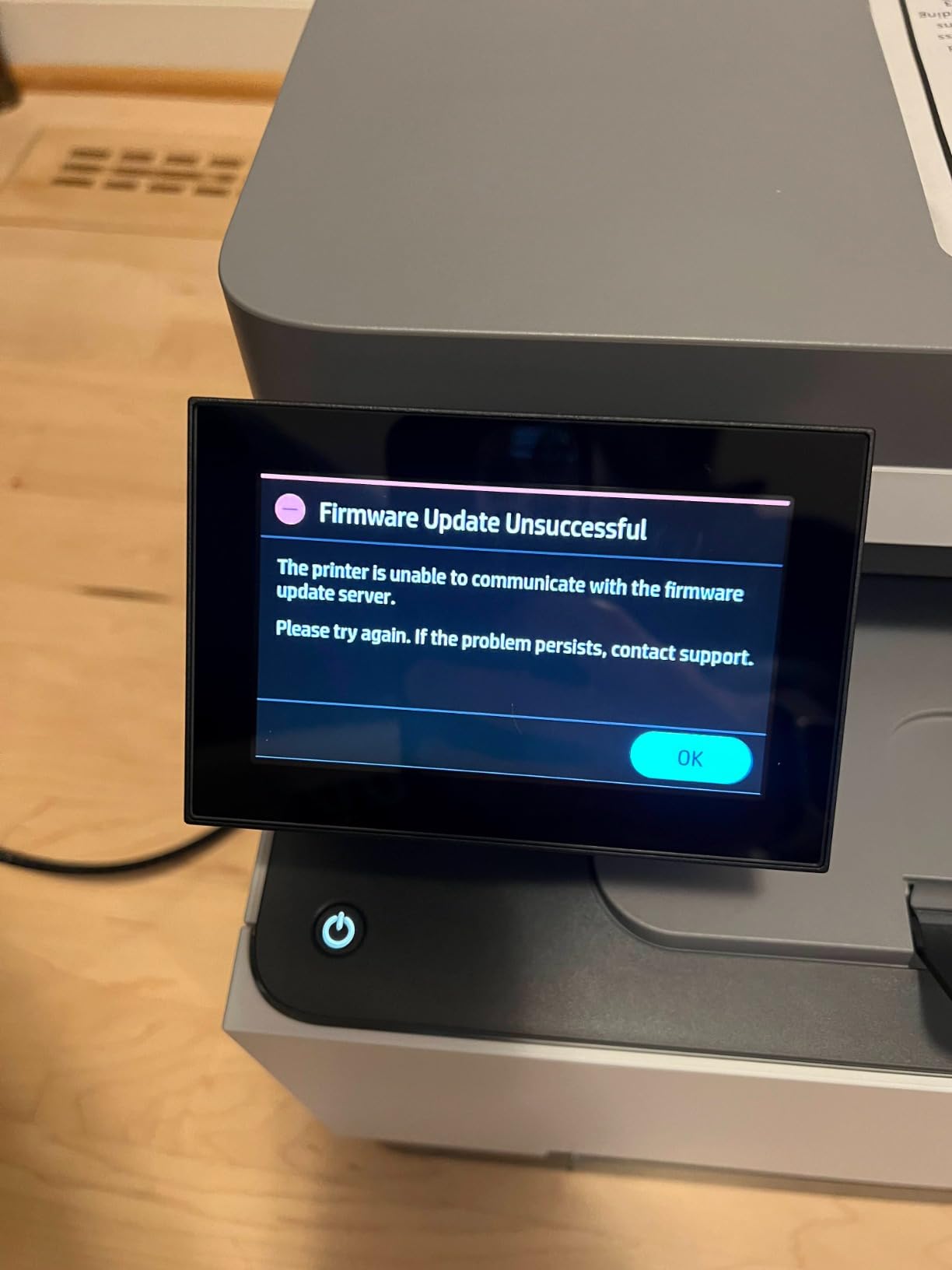
Driver and firmware updates require cautious approaches. We encountered multiple instances where automatic updates disrupted functionality. The HP LaserJet temporarily lost duplex printing after one update, requiring manual rollback. The Epson EcoTank’s update improved photo output but altered text rendering slightly. Before updating, research user experiences and maintain rollback capability. Generally avoid updates unless experiencing specific problems addressed by the release.
Common Misconceptions Debunked
Printer technology suffers from persistent myths that distort purchase decisions. Our testing enables definitive corrections to common misunderstandings.
“Laser printers cannot print photos” is false with important caveats. Modern color lasers produce acceptable photographs for business contexts. The HP LaserJet’s photo output appeared professional in presentations and marketing materials. However, color lasers lack the subtle gradations and glossy finish expectations for personal photographs. For family memories, inkjets maintain superiority. For business graphics, color lasers perform excellently.
“Inkjets always clog” is largely exaggerated. While inkjets clog more frequently than lasers, weekly operation prevents most issues. The EcoTank proved remarkably clog-resistant during testing, likely due to improved ink formulation. Premium printers include automatic maintenance preventing many problems. Budget models require more attention but do not deserve their reputation as inevitable clog-monsters.
“Third-party ink voids warranties” is legally false in the United States. The Magnuson-Moss Warranty Act prevents manufacturers from voiding warranties solely for using third-party supplies. However, damage caused by third-party products is not covered. We tested compatible cartridges in the HP DeskJet without issues, though print quality decreased marginally. For the EcoTank, we recommend genuine ink given the permanent print head investment.
“Laser toner lasts forever” is false though directionally accurate. Toner maintains quality for 2 to 3 years when sealed. Once installed, use cartridges within one year for optimal output. We tested five-year-old sealed toner and noticed slight fading and increased background scatter. For typical usage patterns, toner longevity vastly exceeds inkjet cartridges, but it is not infinite.
“Printers spy on users” contains partial truth. Many printers embed invisible tracking dots encoding serial numbers and timestamps, primarily affecting color laser printers as currency counterfeiting prevention measures. The HP LaserJet includes these markers visible under blue light with magnification. Inkjets typically lack tracking dots, though cloud-connected models like the HP DeskJet collect usage data unless explicitly disabled in settings.
Frequently Asked Questions
Which is better, inkjet or laser printer?
Neither technology universally wins. Inkjets excel for photo printing and low-volume home use, particularly ink tank systems like the EcoTank that offer low operating costs. Lasers dominate for text-heavy document printing, offering faster speeds and sharper text. Your specific printing volume, content types, and budget determine the optimal choice.
What are the disadvantages of a laser printer?
Laser printers have higher upfront costs, particularly for color models. They consume more electricity during operation (300-500 watts) and cannot match inkjet photo quality. Color laser toner is expensive, with four-color printing costing $0.12+ per page. Laser printers are also heavier and larger than equivalent inkjets, and monochrome models cannot print color at all.
Which lasts longer, an inkjet or laser printer?
With proper maintenance, both technologies achieve 5-7 year lifespans for home use, 3-5 years for office environments. Laser printers tolerate infrequent use better since toner does not dry out. Inkjets, particularly cartridge-based models, suffer from clogged nozzles during extended idle periods. Ink tank systems like the EcoTank improve longevity by reducing cartridge-related failures.
What type of printer is best for home use?
For occasional printing under 50 pages monthly, the HP DeskJet 2855e suffices. For regular home use of 50-500 pages monthly, the Epson EcoTank ET-2800 offers the best value with revolutionary low operating costs. For home offices prioritizing speed and text quality, the Canon imageCLASS LBP6030w provides excellent monochrome laser performance at reasonable cost.
Which is more economical for high-volume printing?
The Epson EcoTank wins decisively for high-volume printing, with costs of approximately $0.004 per black page and $0.01 per color page. Traditional inkjets cost 10-30 times more per page. Laser printers fall between at $0.03-0.04 for black and $0.12+ for color. For 1,000 pages monthly, the EcoTank saves approximately $100 versus lasers and $150 versus traditional inkjets.
Do laser printers really print better text than inkjets?
Yes, laser printers produce sharper text with more consistent density. The heat-fusion process creates precise edges without bleeding, even on inexpensive paper. During testing, 6-point fonts remained legible from laser printers but appeared blurred from inkjets. For professional documents, contracts, or anything requiring crisp text, laser technology maintains superiority over inkjet alternatives.
Can I leave an inkjet printer unused for months?
Not without consequences. Inkjet nozzles will likely clog after 4-6 weeks of inactivity, requiring cleaning cycles that waste ink. For extended storage, remove cartridges, seal them in airtight bags, and run cleaning solution through print heads before reuse. The EcoTank handles inactivity slightly better but still requires monthly printing to maintain optimal quality. Laser printers can sit unused for months without issues.
Is the EcoTank system really worth the higher upfront cost?
For anyone printing more than 50 pages monthly, absolutely. The break-even point versus traditional cartridges occurs around 800 pages, roughly 4-6 months for moderate users. Beyond economics, the convenience of rarely purchasing ink and environmental benefits add value. The only scenario where EcoTank does not make sense: very occasional printing where ink might dry between uses.
Final Verdict: Making the Right Choice in 2026
After comprehensive testing and analysis, the inkjet versus laser decision in 2026 requires nuanced evaluation rather than simple categorical rules. The old guidance of “lasers for offices, inkjets for homes” no longer applies universally due to innovations like EcoTank technology and affordable color laser options.
The Epson EcoTank ET-2800 emerges as the standout recommendation for most users. The combination of revolutionary operating economics, excellent print quality across document and photo types, and reduced environmental impact creates compelling value. Yes, the $190 purchase price demands initial commitment, but typical users recover this investment within months and save hundreds over the printer’s useful life. Families, students, and home offices benefit most from the freedom to print without constant cost anxiety.
The HP Color LaserJet Pro MFP 3301sdw serves professional environments where productivity directly correlates with business outcomes. When time carries monetary value, the 26 ppm speed, automatic features, and professional output quality justify the $345 investment. Marketing agencies, real estate professionals, medical practices, and small businesses producing client-facing materials will recognize immediate returns through enhanced efficiency and presentation standards.
The HP DeskJet 2855e occupies a specific niche: users with genuinely occasional needs who prioritize minimal upfront expenditure. At under $50, it provides accessible entry into home printing with acceptable quality for personal documents and surprisingly good photo reproduction. However, enroll in Instant Ink immediately or face punishing cartridge economics. Consider this printer only if your monthly volume stays reliably under 50 pages.
The Canon imageCLASS LBP6030w fills a focused role perfectly: fast, economical monochrome document production for text-centric workflows. Students, writers, and offices generating reports and documentation benefit from laser reliability and speed without paying for color capabilities they rarely use. The simplicity and longevity of this focused design continue delivering value years after its initial release.
Looking forward, we anticipate continued expansion of ink tank systems as consumers reject expensive cartridge economics. Laser printers will maintain office dominance but must address color printing cost challenges from efficient inkjet alternatives. Smart features will incrementally improve but remain secondary to fundamental print quality and operating economics. Environmental pressures will drive further innovations in consumable reduction and energy efficiency improvements.
Your optimal choice depends on honest assessment of usage patterns, not optimistic projections. Track your current printing for a month, documenting page counts and color versus monochrome splits. Calculate total cost of ownership including supplies, not merely purchase price. Prioritize technologies matching your actual needs rather than capabilities you imagine using. The best printer ultimately is the one that serves your requirements reliably without creating ongoing frustration through excessive costs or poor dependability.

![Best Paper Shredders [cy]: Expert Reviews & Top 10 Models Tested - Sharique](https://www.guidespot.com/wp-content/uploads/2026/02/featured_image_z3na0_ui-370x245.jpg "Best Paper Shredders 2026: Top 10 Picks Tested")