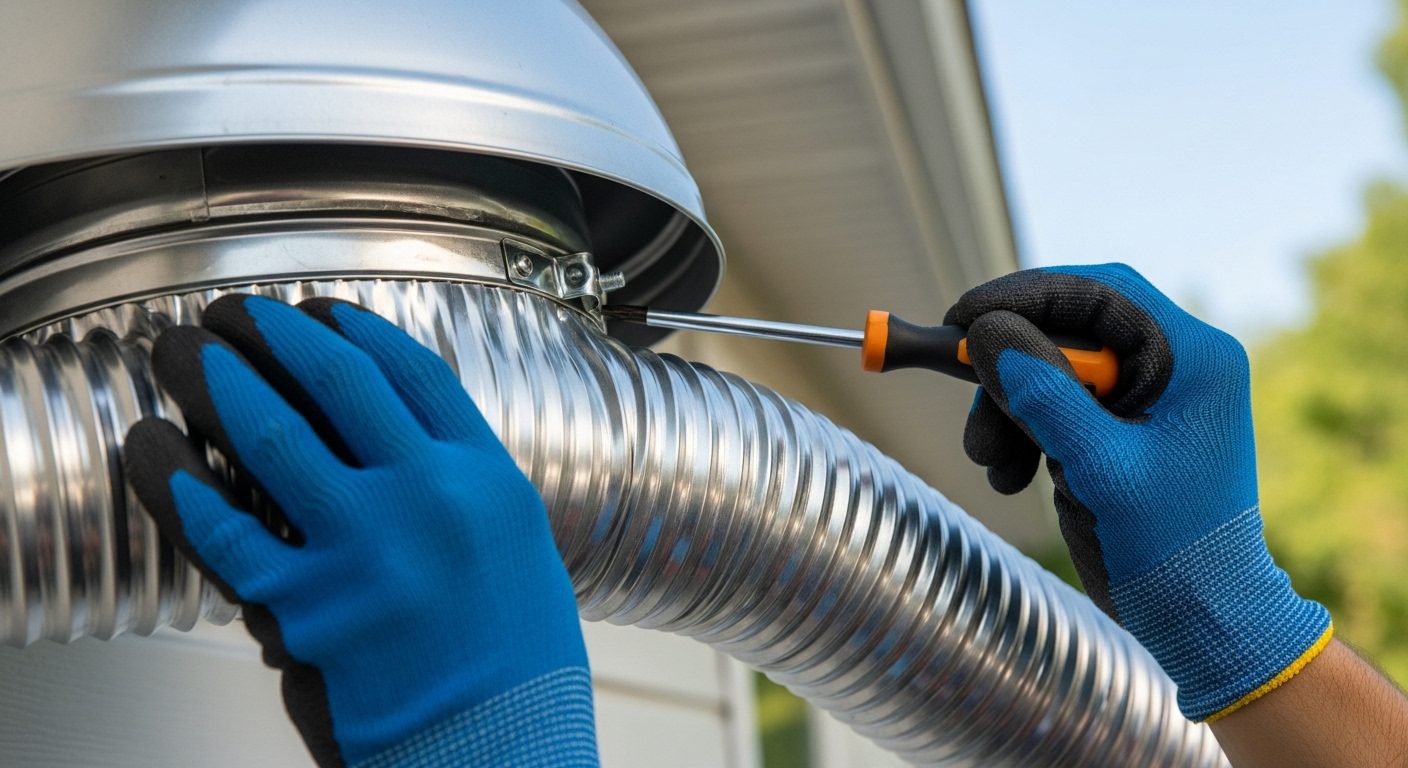
Installing a dryer vent properly is critical for your home’s safety and your dryer’s efficiency. According to the National Fire Protection Association, failure to clean dryer vents is the leading cause of home dryer fires, but improper installation runs a close second. This comprehensive guide walks you through the entire process of installing a dryer vent system that meets building codes and keeps your home safe.
Whether you’re replacing an old vent system or installing one for the first time, this guide covers everything from planning and permits to final testing. We’ll address different wall materials, building code requirements, and common mistakes that can lead to dangerous situations or failed inspections. Most importantly, we’ll ensure your installation meets the International Residential Code (IRC) requirements that most local jurisdictions follow.
Before we dive into the installation process, it’s important to understand that proper dryer venting affects more than just safety. A correctly installed vent system improves your dryer’s efficiency, reduces drying times by up to 25%, and can extend your appliance’s lifespan by several years. Poor venting forces your dryer to work harder, consuming more energy and wearing out components faster.
Understanding Dryer Vent Requirements and Building Codes
The International Residential Code (IRC) Section M1502 provides specific requirements for dryer exhaust systems that most local building codes follow. Understanding these requirements before you start ensures your installation passes inspection and operates safely. The code specifies everything from duct materials to maximum lengths and termination requirements.
Your dryer vent must use rigid metal ductwork with a minimum thickness of 0.016 inches (28 gauge). While flexible transition ducts are allowed for connecting the dryer to the main duct, they cannot exceed 8 feet in length and must be listed and labeled for dryer use. Semi-rigid metal transition ducts offer a better alternative, providing flexibility while maintaining better airflow than fully flexible options.
The maximum allowable duct length is 35 feet from the dryer location to the exterior termination point. However, this length gets reduced by 5 feet for each 90-degree elbow and 2.5 feet for each 45-degree elbow in your system. For example, if your vent path includes two 90-degree elbows, your maximum straight duct length drops to 25 feet. Some dryer manufacturers specify different maximum lengths in their installation instructions, and when this occurs, the manufacturer’s specifications take precedence.
Termination requirements are equally important. Your vent must terminate outside the building, not in an attic, crawl space, or other concealed area. The termination point needs a backdraft damper to prevent outside air, pests, and weather from entering. The vent hood must be at least 3 feet from any opening into the building, including windows, doors, and fresh air intakes for other appliances.
Essential Tools and Materials
Gathering the right tools and materials before starting saves time and ensures professional results. For the ductwork itself, you’ll need 4-inch rigid metal duct pipes in appropriate lengths for your run, adjustable metal elbows for direction changes, and a wall or roof vent hood with an integrated damper. Don’t forget metal foil tape specifically designed for HVAC use – never use regular duct tape on dryer vents as it deteriorates quickly from heat and moisture.
Your tool list should include both power and hand tools. A drill with bits appropriate for your wall material is essential, along with a 4.25-inch hole saw for creating the exterior wall opening. You’ll need tin snips for cutting metal ductwork, a level for ensuring proper slope, and a measuring tape for accurate planning. Safety equipment including safety glasses, work gloves, and a dust mask are non-negotiable, especially when drilling through walls.
For installation hardware, stock up on metal pipe straps or hangers to support horizontal runs every 12 feet, sheet metal screws if joining duct sections (though the IRC prohibits screws that penetrate the duct interior), and exterior-grade caulk or sealant for weatherproofing the wall penetration. If you’re working with vinyl or aluminum siding, you’ll need a siding removal tool and possibly J-channel or mounting blocks for a professional exterior finish.
Consider having these additional items on hand: a reciprocating saw for modifications if the hole saw won’t suffice, a caulk gun for applying sealant, a stud finder for locating framing members, and a headlamp or work light for visibility in tight spaces. If you’re venting through the roof, add roofing cement and appropriate flashing to your list.
Planning Your Dryer Vent Route
The success of your installation largely depends on careful planning. Start by identifying the shortest, straightest path from your dryer to the exterior. Remember that every turn adds resistance to airflow and reduces your allowable duct length. The ideal installation runs straight through an exterior wall directly behind the dryer, but this isn’t always possible given room layouts and structural constraints.
Examine your home’s structure to identify potential obstacles. Check for electrical wiring, plumbing pipes, HVAC ducts, and structural members that might interfere with your planned route. Use a stud finder with electrical detection capability to map what’s inside your walls. If you’re unsure about what’s behind a wall, drill a small pilot hole that can be easily patched to investigate before committing to the full installation.
Consider the exterior termination point carefully. Avoid areas where the vent exhaust might cause problems, such as near outdoor gathering spaces, over walkways where lint might accumulate, or close to air conditioning units that could draw lint into their systems. The termination should be at least 12 inches above ground level to prevent snow blockage and facilitate cleaning access.
Calculate your total equivalent duct length before purchasing materials. Start with the actual linear distance, then add the equivalent lengths for each elbow or turn. If your calculated length exceeds 35 feet (or your dryer manufacturer’s specification), you’ll need to reconsider your route or potentially relocate the dryer. Some situations might require a booster fan installation, though this adds complexity and should be a last resort.
Step-by-Step Installation Process
Step 1: Prepare the Installation Area
Begin by moving your dryer away from the wall and disconnecting it from power. For gas dryers, turn off the gas supply at the valve and carefully disconnect the gas line – you may want a professional to handle gas connections if you’re not experienced with gas appliances. Clear the work area of any items that could be damaged by dust or debris.
Protect your flooring with drop cloths or plastic sheeting, especially if you’ll be drilling through walls. Have a vacuum ready to manage dust as you work. If you’re drilling through an exterior wall, check the weather forecast – you don’t want rain entering through an open hole if you need to pause the installation.
Step 2: Mark and Cut the Exterior Wall Opening
From inside, mark the center point of your vent location on the wall. Ensure this point aligns with your dryer’s exhaust outlet height and maintains proper clearances from windows, doors, and other openings. Drill a pilot hole completely through the wall at this center point – this serves as your reference for exterior work.
Move outside and locate your pilot hole. Use the hole saw to cut the 4.25-inch opening for standard 4-inch ductwork. For walls with siding, cut through the siding first with a smaller blade to prevent damage to surrounding materials. If you encounter unexpected obstacles like electrical wiring or plumbing, stop immediately and reassess your route.
Different wall materials require different approaches. For vinyl or aluminum siding, carefully remove or cut the siding to accommodate the vent hood’s mounting flange. Wood siding can be cut directly with the hole saw. Brick or masonry walls require a masonry bit and possibly a hammer drill – consider renting these tools if you don’t own them. Stucco walls need special care to prevent cracking; score the surface with a grinder before using the hole saw.
Step 3: Install the Exterior Vent Hood
Test-fit the vent hood in the opening before applying any sealant. The hood should sit flush against the wall surface with its damper operating freely. For walls with siding, you may need to install a mounting block or J-channel to create a flat mounting surface and proper weather seal.
Apply a generous bead of exterior-grade caulk around the opening, focusing on the top and sides where water infiltration is most likely. Insert the vent hood’s duct collar through the wall opening from outside, ensuring it extends far enough inside for a secure connection. Press the hood firmly against the wall, squeezing out excess caulk for a complete seal.
Secure the vent hood with appropriate fasteners for your wall material – typically exterior screws for wood framing or masonry anchors for brick or concrete. Apply additional caulk around the hood’s perimeter and smooth it for a professional appearance. Verify the damper flap moves freely and closes completely when not in use.
Step 4: Install Interior Ductwork
Working from the exterior vent hood back toward the dryer location, begin assembling your rigid metal ductwork. Connect the first section to the vent hood’s interior collar, ensuring a tight fit. If the connection seems loose, use metal foil tape to seal and secure it, wrapping completely around the joint. Never use screws that penetrate into the duct interior, as these create lint collection points that increase fire risk.
Continue adding duct sections, maintaining a slight downward slope toward the exterior to promote drainage of any condensation. Use metal straps or hangers to support horizontal runs at least every 12 feet – unsupported ducts can sag over time, creating low points where lint and moisture accumulate. At direction changes, use adjustable metal elbows rather than crimping straight sections.
Seal every joint with metal foil tape, wrapping it completely around the connection. Pay special attention to elbow connections, as these areas experience the most stress from airflow and thermal expansion. Don’t skip taping even if connections seem tight – air leaks reduce system efficiency and can deposit lint inside wall cavities.
Step 5: Connect to the Dryer
The final connection from your rigid ductwork to the dryer requires special attention. While rigid duct is ideal all the way to the dryer, this often isn’t practical since you need to move the dryer for cleaning and maintenance. This is where transition ducts come into play, but they must be used correctly.
Install a metal transition duct (semi-rigid is preferable to fully flexible) between the last section of rigid duct and your dryer’s exhaust outlet. Keep this transition as short as possible – never exceeding 8 feet per code requirements. Avoid kinking or sharp bends that restrict airflow. The transition duct should be listed and labeled specifically for dryer use; don’t use general-purpose flexible ducts.
Secure both ends of the transition duct with metal clamps designed for dryer vents. These clamps should fully encircle the duct and tighten evenly without distorting the duct shape. Position the dryer to minimize the transition duct length while maintaining accessibility for the power cord and, if applicable, gas connection.
Testing Your Installation
Before considering the job complete, thorough testing ensures your installation functions properly and safely. Start with a visual inspection of all connections, checking that joints are properly sealed and supported. Verify the exterior damper opens and closes freely without obstruction.
Reconnect your dryer to power (and gas if applicable) and run a test cycle with a load of towels. Go outside and verify strong, warm airflow from the vent hood when the dryer runs. The damper should open fully during operation and close when the dryer stops. If airflow seems weak, recheck your duct route for kinks, excessive length, or improper connections.
Check for air leaks along the entire duct run while the dryer operates. Feel around joints and connections for escaping air – any leaks reduce efficiency and should be sealed with additional metal tape. Inside, ensure the dryer doesn’t move excessively during operation, which could stress the transition duct connection.
Measure your drying times with a standard load to establish a baseline for normal operation. If drying takes significantly longer than before or longer than the manufacturer’s specifications suggest, your venting system may have restrictions or excessive length. Document your installation details, including total duct length and number of elbows, for future reference and maintenance planning.
Common Mistakes to Avoid
One of the most serious mistakes is using plastic or vinyl flexible ductwork for any part of the permanent installation. These materials are fire hazards and explicitly prohibited by building codes. They deteriorate quickly from heat exposure and can collapse, creating dangerous blockages. Similarly, avoid the old-school practice of venting into attics, crawl spaces, or garages – this deposits moisture where it causes mold, rot, and structural damage.
Excessive duct length ranks among the most common installation errors. Installers often underestimate how elbows and transitions add to the equivalent length, resulting in systems that exceed code limits. This causes poor dryer performance, longer drying times, and increased fire risk from lint accumulation. When in doubt, choose a shorter, more direct route even if it requires more planning effort.
Using screws that penetrate the duct interior creates lint collection points that develop into blockages over time. While it might seem like screws provide better connections, they’re specifically prohibited by code for good reason. Proper metal foil tape provides adequate joint security without creating internal obstructions. Regular duct tape should never appear anywhere in your installation – it fails quickly under the heat and moisture conditions present in dryer vents.
Improper support of horizontal duct runs leads to sagging, which creates low points where condensation and lint collect. These collections restrict airflow and create fire hazards. Install supports at proper intervals and ensure ducts maintain a slight downward slope toward the exterior. Don’t forget that vertical runs also need support to prevent settling and joint separation over time.
Troubleshooting Installation Issues
If your dryer takes longer to dry clothes after installation, several factors could be responsible. First, verify your total equivalent duct length doesn’t exceed limits. Remember that manufacturer specifications override the IRC’s 35-foot maximum if they’re more restrictive. Check for kinked transition ducts behind the dryer – even partial kinks significantly reduce airflow.
Excessive lint accumulation outside the vent hood indicates airflow problems inside the system. Inspect for disconnected joints that might be depositing lint into wall cavities. Verify the exterior damper opens fully during operation; sometimes paint or caulk accidentally seals dampers closed. Check that the vent hood’s screen (if present) isn’t clogged – better yet, remove screens entirely as they’re lint magnets and often prohibited by code.
Moisture problems like condensation dripping from vents or water stains around the dryer suggest improper duct slope or excessive duct length. Horizontal runs should slope slightly downward toward the exterior to promote drainage. Insulating ducts that run through unconditioned spaces can reduce condensation, though this isn’t a substitute for proper installation.
If you smell gas around a gas dryer after installation, immediately shut off the gas supply and ventilate the area. Don’t operate any electrical switches or appliances that could create sparks. Check gas connections with soapy water, looking for bubbles that indicate leaks. When in doubt, call a professional – gas leaks are serious safety hazards that require immediate attention.
Maintenance After Installation
Your new dryer vent system requires regular maintenance to maintain safety and efficiency. Clean the lint filter before every load – this simple step is your first line of defense against lint buildup in the vent system. Even with religious filter cleaning, lint still accumulates in the ductwork over time.
Perform a thorough vent cleaning at least annually, or more frequently if you do lots of laundry. You can purchase dryer vent cleaning kits with long, flexible brushes that attach to drills, or hire professional services that use specialized equipment. During cleaning, inspect accessible portions of ductwork for damage, separation, or excessive lint buildup that might indicate system problems.
Periodically verify the exterior damper operates properly. Remove any debris, such as leaves or snow, that might obstruct the vent hood. Check that birds or rodents haven’t nested in the vent – installing pest-resistant vent hoods prevents this problem. Some homeowners install vent covers during extended absences to prevent pest intrusion, but remember to remove them before using the dryer.
Monitor your dryer’s performance over time. Gradually increasing drying times often indicate developing vent restrictions. Address these promptly rather than waiting for complete blockages. Keep records of maintenance activities and any service performed on the system. This documentation proves valuable if you sell your home or need to troubleshoot future problems.
When to Call a Professional?
While many homeowners successfully install dryer vents themselves, certain situations warrant professional installation. Complex routes through multiple floors or long distances often exceed DIY capabilities. Professionals have specialized equipment for difficult installations and know how to navigate building codes in challenging situations.
If your installation requires roof venting, strongly consider hiring a professional. Roof work presents fall hazards and requires proper flashing installation to prevent leaks. Professionals carry insurance for this dangerous work and guarantee their installations against leaks. The cost difference between DIY and professional installation shrinks considerably when you factor in safety equipment rental and potential roof repairs from improper installation.
Homes with non-standard construction, such as brick veneer, structural insulated panels (SIPs), or complex siding systems, often benefit from professional installation. These materials require specialized tools and techniques to avoid damage. Similarly, if you discover unexpected obstacles like asbestos-containing materials during your planning, stop work immediately and consult professionals trained in safe handling procedures.
Gas dryer connections deserve special consideration. While the venting installation remains the same, many homeowners prefer professionals handle gas connections to ensure safety. Some jurisdictions require licensed plumbers or gas fitters for these connections. Check your local requirements and comfort level before attempting gas work yourself.
Energy Efficiency Considerations
Proper dryer venting significantly impacts your home’s energy efficiency. A well-designed system reduces drying times, which directly translates to energy savings. According to ENERGY STAR, proper venting can reduce dryer energy consumption by 20% or more compared to restricted or improperly installed vents.
Consider upgrading to an ENERGY STAR certified dryer when replacing your current model. These dryers use 20% less energy than standard models and often include moisture sensors that prevent over-drying. Some models provide specific venting requirements that optimize their efficiency features – following these requirements ensures you receive the full benefit of the energy-saving technology.
Heat pump dryers represent the latest advancement in dryer technology, using 40-50% less energy than conventional models. These ventless dryers don’t require exterior venting, which might solve installation challenges in some homes. However, they cost significantly more upfront and take longer to dry clothes. Evaluate whether the energy savings justify the higher initial investment based on your laundry habits and local utility rates.
For traditional vented dryers, minimize the vent run length to maximize efficiency. Every foot of ductwork and each elbow adds resistance that makes your dryer work harder. If you’re renovating or building new, locate your laundry room on an exterior wall to enable the shortest possible vent run. This planning pays dividends in energy savings over your dryer’s lifetime.
Building Permits and Inspections
Many jurisdictions require permits for dryer vent installations, especially when creating new exterior wall penetrations. Contact your local building department before starting work to understand requirements in your area. Permit fees are usually minimal, and the inspection process ensures your installation meets safety codes.
When applying for permits, you’ll typically need to provide a simple diagram showing your planned vent route, including distances and number of elbows. Specify the materials you’ll use and demonstrate that your total equivalent length falls within code limits. Some departments require manufacturer specifications for your specific dryer model.
Schedule your inspection after completing the installation but before closing up any walls or ceilings that provide access to the ductwork. Inspectors verify proper materials, secure connections, correct termination, and adherence to length limits. They may test airflow or require you to demonstrate the system’s operation. Address any issues the inspector identifies promptly – they’re ensuring your family’s safety.
Keep your inspection records with your home’s important documents. These prove code compliance for insurance purposes and provide valuable information for future buyers. If you sell your home, compliant installations with proper documentation prevent delays or negotiations during the transaction.
Conclusion
Installing a dryer vent correctly requires careful planning, the right materials, and attention to building codes, but it’s a achievable DIY project for most homeowners. The time invested in proper installation pays dividends through improved safety, better dryer performance, and lower energy bills. Remember that this system protects your home from fire hazards and moisture damage while ensuring your dryer operates efficiently for years to come.
Take time to plan your route carefully, use only approved materials, and follow the IRC requirements we’ve outlined. Don’t cut corners on materials or installation techniques – the minimal cost savings aren’t worth the risks. Whether you complete the installation yourself or hire a professional, understanding these requirements helps ensure the job is done right.
Regular maintenance of your new vent system is just as important as proper installation. Clean lint filters before every load, schedule annual vent cleanings, and monitor your dryer’s performance for signs of developing restrictions. With proper installation and maintenance, your dryer vent system will provide safe, efficient service throughout your dryer’s lifetime.
Stay safe, follow codes, and don’t hesitate to consult professionals when situations exceed your comfort level. A properly installed dryer vent is an investment in your home’s safety and efficiency that provides peace of mind every time you do laundry.